Bin collection days are changing on Monday 8 April
The days your bins will be collected is changing. Read our FAQ's about your new collections.
Planning
Planning tasks
- View and comment on a planning application
- Pre-application service
- Apply for planning permission
- Local Plan (Current)
- Local Plan Examination
- Local Plan Consultation
All tasks
Planning Applications tasks
- View and comment on a planning application
- Pre-application service
- Apply for planning permission
- View new planning applications
- Calculate the cost of a planning application
- Biodiversity net gain

All tasks
Planning Policy tasks
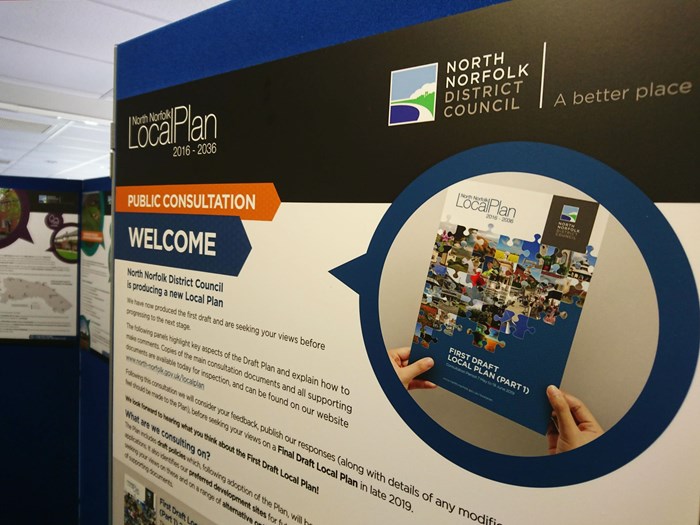
- Local Plan (Current)
- Local Plan Examination
- Local Plan Consultation
- Local Plan (New)
- Local Plan Examination Library
- Document Library
All tasks
Enforcement tasks
Go to EnforcementAll tasks
Building Control tasks
- Apply for building regulation approval
- View building regulations / approved documents
- Appeal a building control decision
- Book a building control inspection
- Building work: check the approval that you need

All tasks
Major Projects tasks
- Find out more about the Major Projects Team
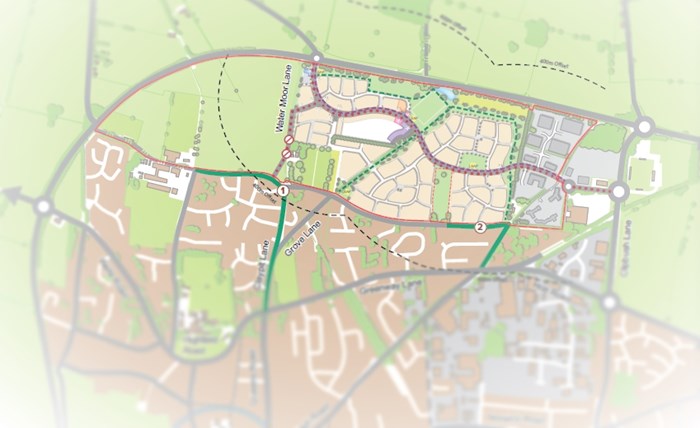
- Fakenham urban extension
- Fees for major pre-application advice
- Major pre-application public consultations
- Pre-application advice for major schemes
All tasks
Trees, Landscapes & Biodiversity tasks
- Find out about Biodiversity
- Trees and hedges
- View the North Norfolk District Council local validation protected species checklist
- View the North Norfolk District Council local validation requirements for designated sites, priority habitats and other significant features

All tasks
Heritage & Design tasks
- Apply for listed building consent
- View listed buildings
- Conservation Area Appraisal Review Programme
- Conservation and Design Award winners
- Find out about the Conservation and Design Awards
- Locally listed buildings
All tasks
Local Land Searches and Address Management tasks
- View property details
- Book a personal search
- Apply for a local land charges search
- Apply for new property address
- Apply to change name of residential property or business
- Report a problem with a nameplate sign