
Fossil collecting in North Norfolk
Date published: 13th July 2026
The North Norfolk coast is a fantastic place to discover fossils. Leanne, Senior Curator of Climate Change and the Dynamic Coast, at the Norfolk Museums Service has some information and tips about fossil collecting, to explain the laws and things to remember when collecting fossils.
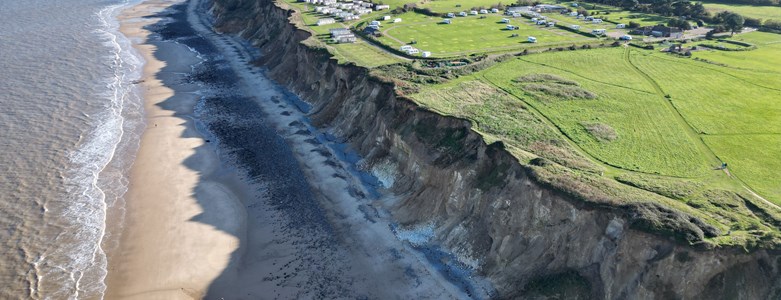
The dynamic, ever-changing North Norfolk landscape reveals an exciting and profound past. That is why the 36 km stretch between Weybourne and Cart Gap is known as the Deep History Coast. Here, the deeper you look, the further back in time you go.
Finds from the Norfolk coast have transformed our understanding of prehistoric Britain. Fossilised marine creatures such as ancient sea urchins (echinoids) and squid-like remains (belemnites) show that around 70 million years ago, Norfolk lay beneath a warm, tropical sea. Fast forward to around 700,000 years ago, and the landscape had shifted dramatically: the discovery of Britain’s oldest and most complete mammoth skeleton at West Runton, alongside fossils of hyenas, deer, beavers, bears and lions, reveals a temperate mix of grassland and forest.
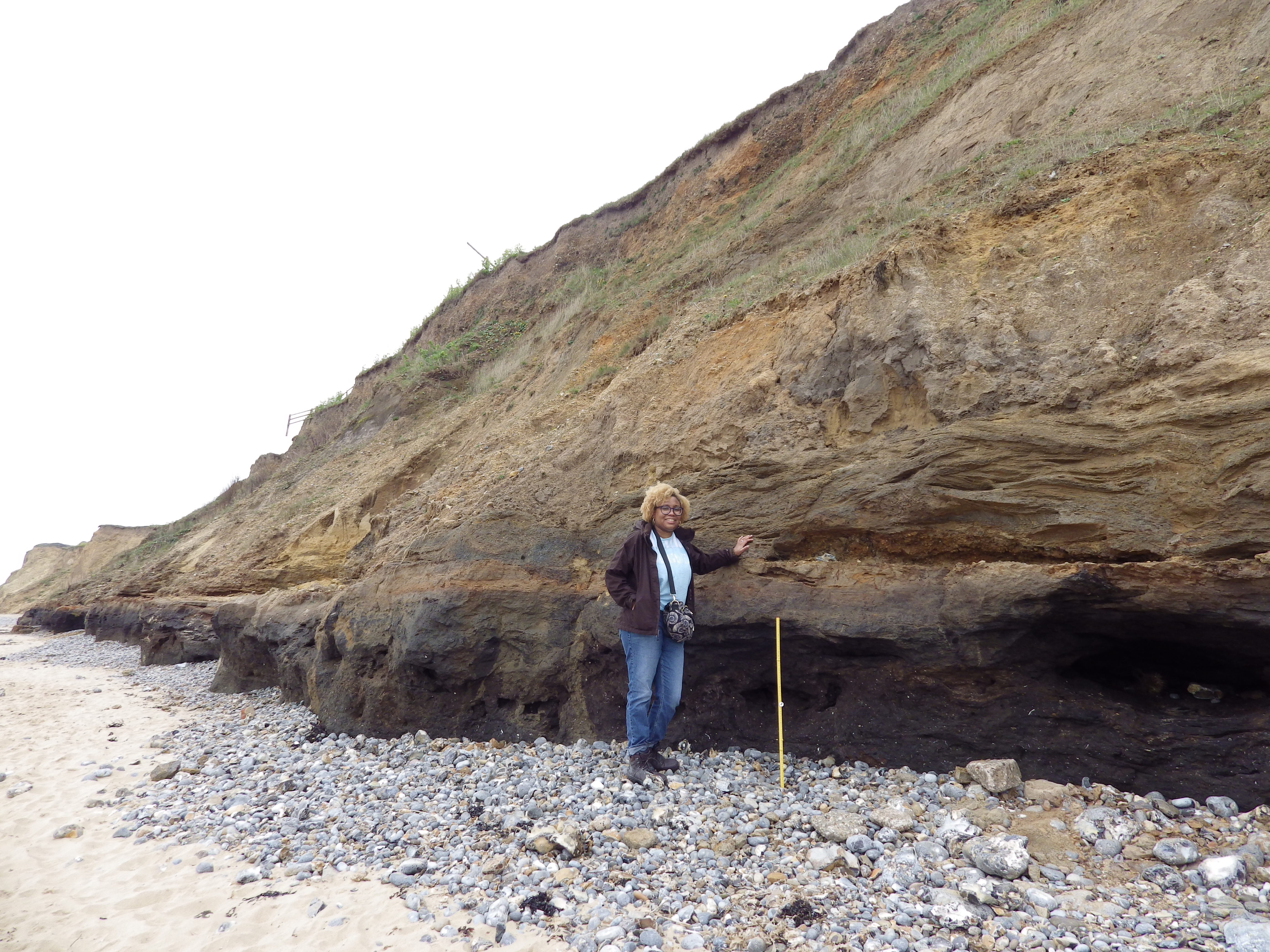
Evidence of early humans is also present, with flint tools and the oldest footprints found outside Africa demonstrating that people once roamed this landscape. The cliffs themselves are equally remarkable, showcasing layers of glacial deposits left behind by advancing and retreating ice sheets during the Pleistocene. Their folded-and-thrust formations offer a striking snapshot of immense power frozen in time.
All of this makes the Norfolk coast an incredibly exciting place to go fossil hunting—you never know what you might uncover, or how it could reshape our understanding of Britain’s ancient past.
The law around collecting
Many stretches of the coastline are of significant biological and geological importance and must be protected for future generations. Sites such as West Runton, Overstrand and Happisburgh are designated as Sites of Special Scientific Interest (SSSIs) and are legally protected.
Safety is also a key consideration. The cliffs, which are made of sand, gravel, clay and chalk, are soft and easily eroded. While this constant erosion reveals new fossils and artefacts, it also makes the cliffs unstable and potentially dangerous, especially after heavy rain or storms.
If you’re planning to collect fossils, there are several important questions to consider:
Can I dig fossils out of the cliff?
Not necessarily. It is illegal to dig into cliffs within an SSSI without explicit permission from Natural England. In addition, any fossil within the cliff belongs to the landowner.
Who owns the fossil I find?
Fossils collected from cliffs or beaches legally belong to the landowner. You must obtain permission before collecting.
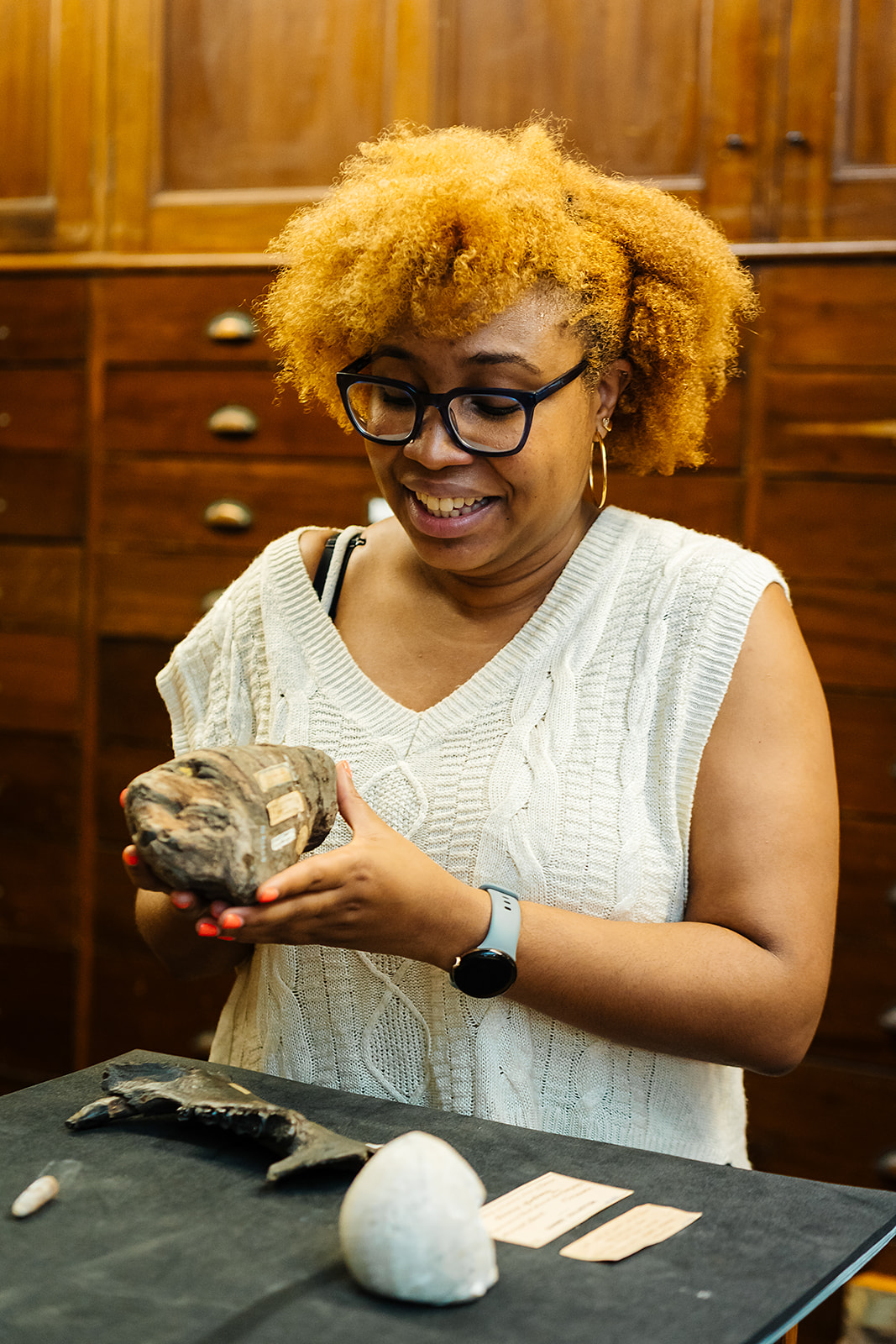
Ownership becomes particularly important for finds of scientific or heritage significance. Museums such as the Natural History Museum, the British Museum, or Norfolk Museums Service may wish to acquire important specimens. However, they can only accept objects if clear legal ownership (title) can be established. Without prior permission, transferring this ownership can be complicated and time-consuming.
Loose items found on the beach can generally be collected, but be aware that some beaches, such as at Hunstanton and Happisburgh, are privately owned, so permission may still be required.
How we are trying to help
The Norfolk Museums Service wants to promote safe and legal fossil collecting. We are working with the Norfolk Geodiversity Partnership to develop a guide to explain the law around fossil collecting more clearly and highlight all the great places to find fossils.
We are also exploring ways to address ownership issues and help collectors obtain legal title to their finds. While we currently offer identification services, we do not yet formally record finds. Our aim is to develop frameworks that allow important discoveries to be recorded, similar to existing systems in archaeology, ensuring they are preserved for future generations.
If you have questions, would like help identifying a find, or believe something significant has been uncovered, please get in touch at: museums@norfolk.gov.uk
So remember, when you collect fossils:
- Only collect loose, beach finds.
- Unless you have the appropriate permissions, don’t dig into the cliffs. It can add to the cliff erosion and many of our cliffs are protected by law.
- Please document where and when your fossil was collected and include any other observations. A What3Words or National Grid Reference would be perfect. Photographs of where it was collected are always very useful. Especially if you are to donate your collection to a museum like the Norfolk Museums Service, we can only accept fossils with accurate locality information.
- Landowner permission and a title of transfer are required for donations to museums.
- Remember that fossil sites are for everyone to enjoy and experience. Overcollecting will damage this important resource for future visitors.
- Finally, have fun! Fossil hunting is a fun, enjoyable experience for all ages!
Last updated: 15th July 2026