
The Government has announced additional funding to support low-income and rural households that rely on heating oil.
Hot Weather Useful Information

Date published: 1st January 0001
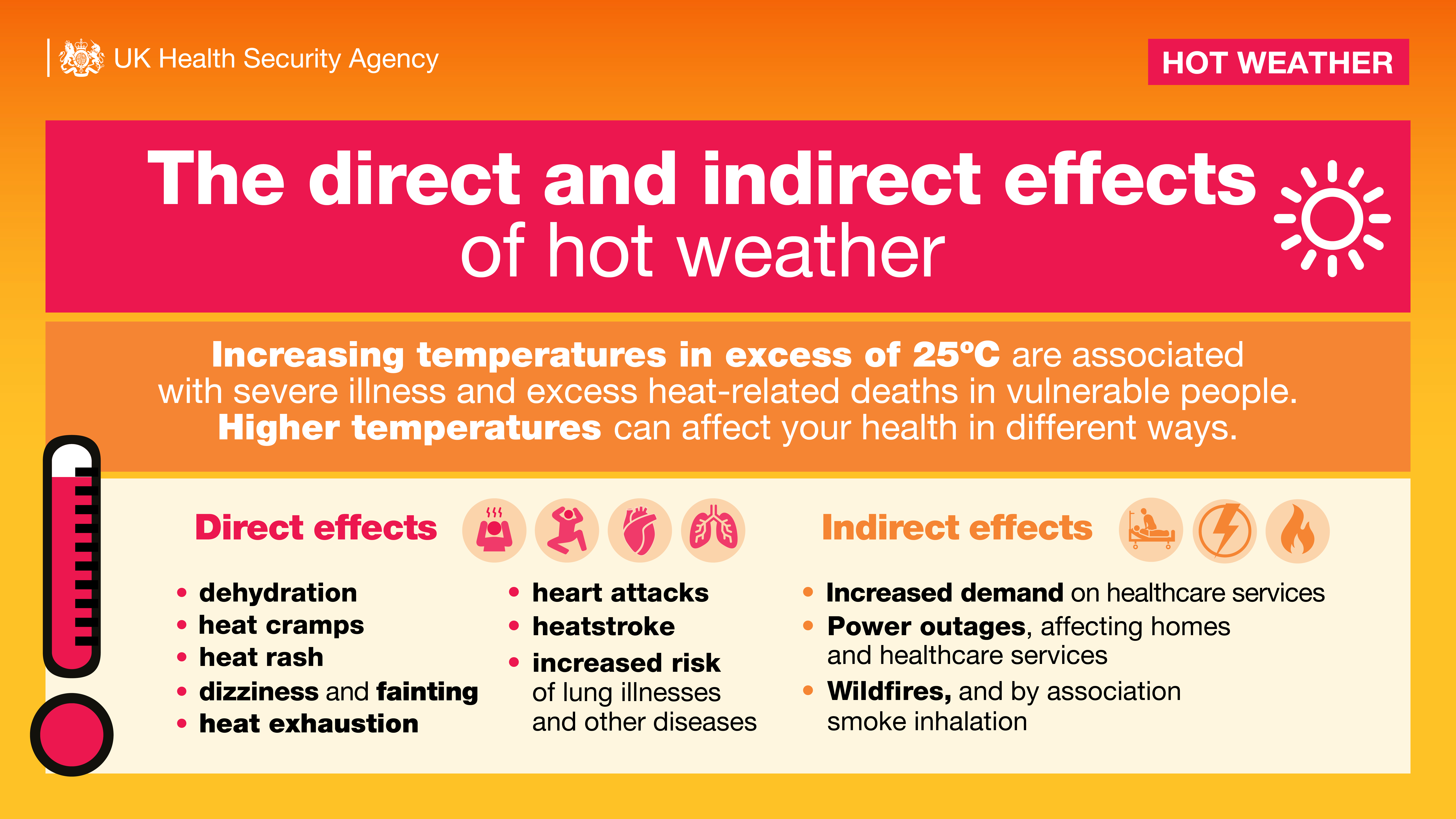
The Extreme Weather warning suggests there is a heightened impact on people and infrastructure, with high temperatures posing health risks to everyone, more so for those with underlying/existing health conditions.
There are a number of agencies you can look towards for important health advice.
Follow NHS guidance looking after yourself in the sun.
At this time, it is advisable for people to remain out of the sun where possible and avoid overexertion or strenuous activity as the risk of heatstroke and other sun-related illnesses, dehydration and exhaustion are more prevalent.
Take all precautions if you are going to be in the sun, including adequate SPF coverage suncream, remaining hydrated, and not staying in the sun for extended periods of time.
Government advice is that 999 services should be used in emergencies only; seek advice from 111 if you need non-emergency health advice.
Find out more from www.nhs.uk
Avoid travelling, unless it is essential to do so – higher than usual temperatures will cause the road surface temperatures to increase and are at risk of melting. This is also true of car parks and some pavements.
Delays on roads and road closures, along with delays and cancellations to rail and air travel, with significant welfare issues for those who experience even moderate delays
Met Office is also reporting there is also a high risk of failure of heat-sensitive systems and equipment, potentially leading to localised loss of power and other essential services, such as water or mobile phone services.
Keep up-to-date with weather advice and warnings from the Met Office.
Council Supports Rough Sleepers During Period of Extreme Heat
As temperatures remain high, North Norfolk District Council is taking steps to support people who are sleeping rough and help protect them from the risks associated with extreme heat.
People experiencing homelessness can be particularly vulnerable during hot weather, with increased risks of dehydration, heat exhaustion, and heatstroke.
Limited access to shade, drinking water and cool indoor spaces can make prolonged periods of hot weather especially challenging.
The Council's Housing Team are carrying out welfare checks on known rough sleepers and providing practical support, including:
- Bottled water and hydration support
- Sunscreen
- Hats and other sun protection items
- Information and advice on staying safe during hot weather
Council officers will continue to maintain regular contact with rough sleepers throughout the period of extreme temperatures to help ensure they remain safe and well.
How residents can help rough sleepers
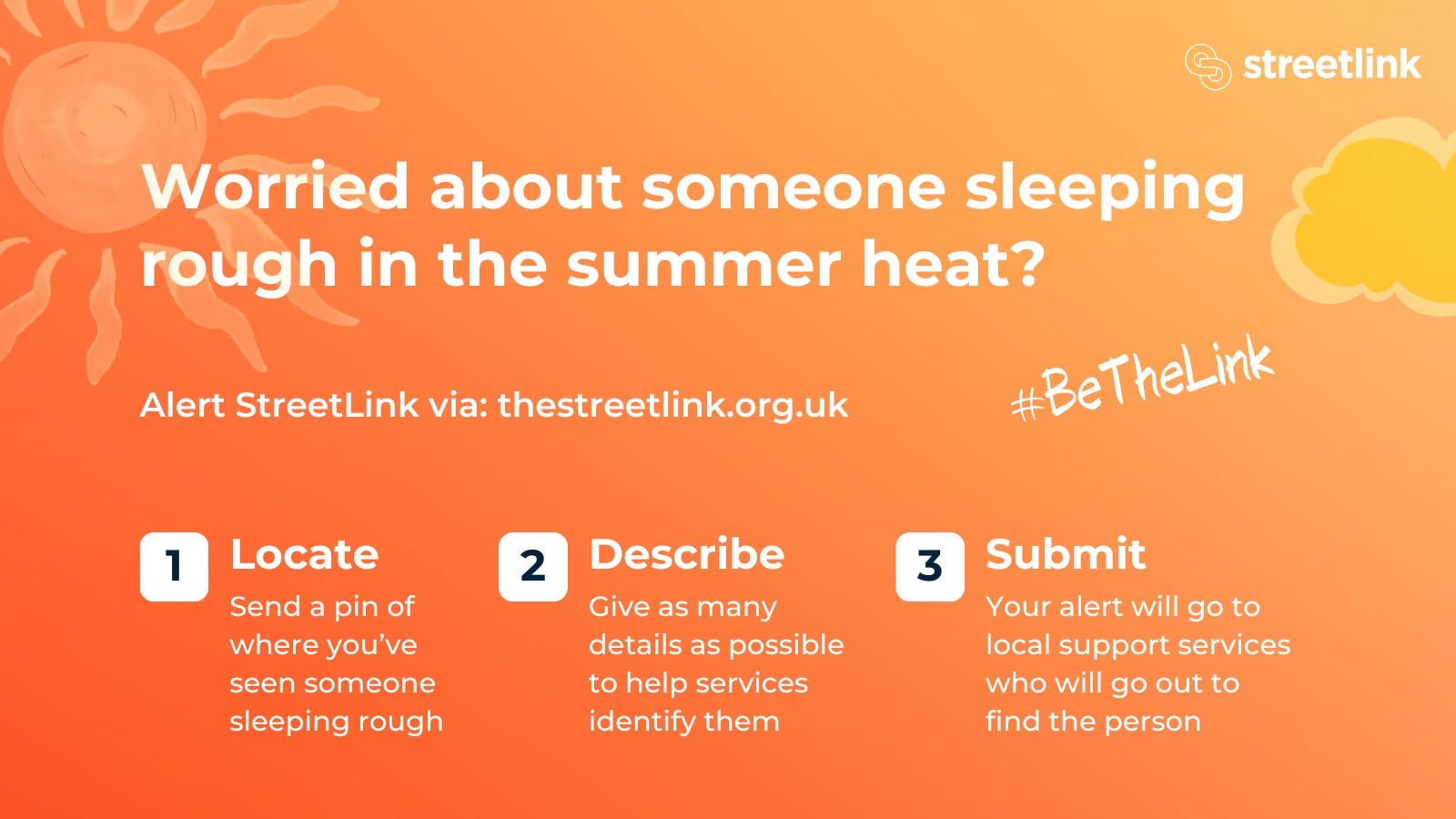
Residents who are concerned about someone they believe is sleeping rough are encouraged to make a referral through StreetLink.
StreetLink is a platform that connects people who are rough sleeping to support provided by local authorities and charities. This includes anyone sleeping outside, preparing to bed down, or sleeping somewhere not designed for habitation, such as a car.
When making a referral, please provide as much information as possible about the person's location and circumstances to help outreach teams find them quickly.
Norfolk Fire and Rescue Advice is to look after yourself, take a picnic instead of a BBQ, make sure cigarettes are fully out and disposed of properly and take your litter home or bin it – it can easily start a fire.
Please also be mindful that many areas of Norfolk will be dry and naked flames or BBQs/hot coals that are not adequately extinguished can cause fires.
Please seek RNLI and Coastguard guidance if you live locally to the beach and are intending to go. Take precautions to keep yourself protected from the sun and hydrated while you’re there.
Be cautious when trying to ‘cool off’ in the sea – if you’re too hot, you could be at risk from cold water shock.
See RNLI advice on cold water shock before going in

Make sure to always check the tide times before you go in the water.
Please also look after your pets in the warmer weather. Do not walk your dog in high temperatures as the surface temperature of the ground can burn their feet and they are prone to overheating.
More advice on how to look after your pets through a heatwave can be found at Animal Welfare in Summer - Seasonal Advice | RSPCA

Last updated: 24th June 2026